The closure of the Strait of Hormuz, a chokepoint for roughly 20% of global oil and LNG shipments, has sent shockwaves through energy markets worldwide. For a nation like China, which imports the majority of its oil and gas, such an event would traditionally spell economic crisis. Yet, emerging analyses suggest China may weather this storm better than most.
This resilience is not accidental. It is the direct result of a deliberate, long-term national strategy that began over two decades ago. While other nations debated the merits of energy transition, China executed a series of five-year plans focused on reducing fossil fuel dependence and building an electricity-centric economy.
The current geopolitical crisis acts as a live stress test, comparing two fundamentally different approaches to energy security: one built on long-term planning and domestic clean energy deployment, and the other hampered by policy whiplash and uncertainty. The initial results of this test provide a stark illustration of how strategic foresight—or the lack thereof—shapes national resilience.
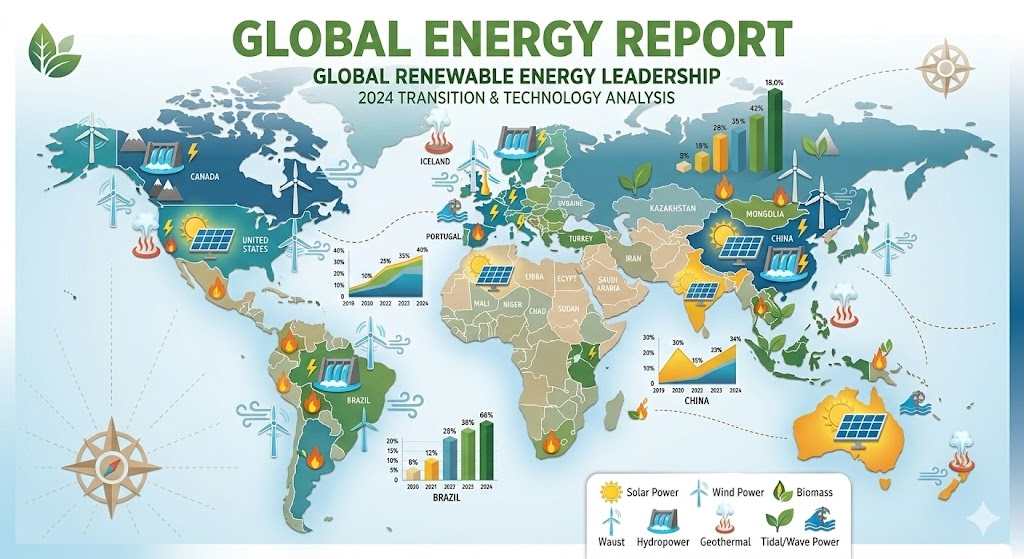
Key Metrics: China's Declining Fossil Fuel Dependence
| Metric | 2010 Estimate | 2024/2025 Status | Source / Analysis |
|---|---|---|---|
| Oil & Gas from Strait of Hormuz as % of Total Energy Consumption | ~15-20% | ~6% | Foreign Policy / Zenkin Analysis |
| Clean Energy Share of Electricity Demand Growth | N/A | 84% (2024) | National Data |
| New Passenger Vehicle Sales that are Electric | <1% | Nearly 50% (2024) | Industry Reports |
| Coal Power Generation Change (Year-on-Year 2025) | N/A | -1.6% (90 TWh drop) | Carbon Brief Analysis |
Comparative Policy Stability & Investment Impact (2024)
| Region / Country | Policy Framework Characteristic | Renewable Energy Investment Change (2024) | Key Consequence |
|---|---|---|---|
| China | Consistent 5-Year Plans, long-term targets | Steady Growth | Predictable costs, supply chain dominance (e.g., >80% global solar manufacturing) |
| United States | Volatile, administration-driven reversals | -36% | Higher financing costs, slower project development, investor uncertainty |
| European Union | Stable, market-driven under Green Deal | +63% | Accelerated deployment, competitive industry growth |
| Global Benchmark | N/A | Varies | Highlights correlation between policy predictability and capital allocation |
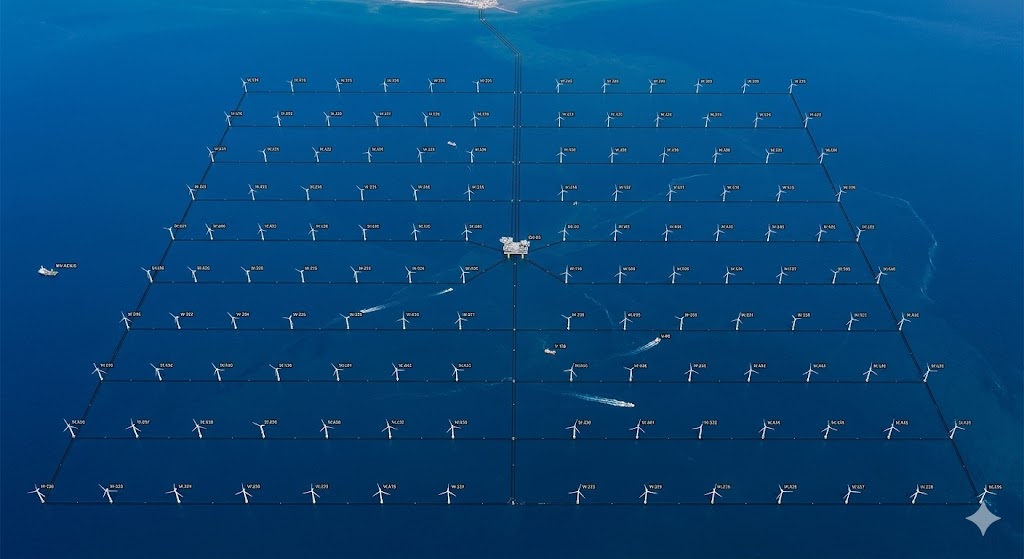
The Anatomy of China's Energy Hedge
China's strategy transcends simply building more wind and solar farms. It represents a systemic redesign of its energy economy around electricity. The 15th Five-Year Plan (2026-2030) continues this trajectory with ambitious targets: over 100 GW of offshore wind by 2030, a 420 GW clean-energy transmission corridor, and a 17% carbon intensity reduction goal. This consistent drumbeat of targets provides a clear signal to state-owned enterprises, private industry, and financiers, directing trillions of yuan into a coordinated national project.
The outcome is a structural shift. Where fossil fuels once powered economic growth directly, they are increasingly being relegated to a supporting role, primarily for industrial processes, petrochemicals, and balancing a grid powered by renewables. The data is clear: oil and gas now supply only a fraction of China's power mix, with clean sources meeting the vast majority of new electricity demand.
The Cost of American Policy Whiplash
In stark contrast, the U.S. approach over the same 20-year period has been characterized by profound instability. As noted in the analysis, successive administrations have engaged in an escalating cycle of revoking predecessor policies. This "policy whiplash" creates an environment of extreme uncertainty for investors allocating capital with 20-30 year horizons.
Financing the Future in an Unpredictable Present Capital markets abhor uncertainty. When developers cannot be confident that tax credits, permitting rules, or emissions standards will survive the next election cycle, they demand a higher risk premium. This directly translates to higher costs for renewable energy projects, slower deployment, and a reluctance to commit to large-scale, long-term infrastructure. The 36% drop in U.S. renewable investment in 2024, against a backdrop of global growth, is a direct symptom of this disease.
Strategic Missteps and Short-Termism The current U.S. administration's focus on reviving coal and accelerating nuclear—despite coal's economic decline and nuclear's decade-long build times—in response to AI data center demand highlights a reactive, rather than strategic, posture. Simultaneously declaring an energy emergency to lower costs while imposing tariffs that raise infrastructure costs exemplifies the contradictory outcomes of policy driven by ideology over integrated planning. This lack of a coherent, durable strategy is what analysts label an "American policy failure that has been compounding over the last 20 years."
Global Ripple Effects and Shifting Alliances
The Hormuz crisis and the differing responses of the U.S. and China are recalibrating global alliances and perceptions of security. The reported U.S. redeployment of assets from South Korea to the Middle East sends a clear signal to Asian allies about Washington's shifting priorities. This fosters a drive for self-reliance, as voiced by South Korea's president, and creates openings for China to expand its diplomatic and economic influence.
Nations dependent on energy imports, like Japan (97% oil import dependent), are forced to re-evaluate their security posture. The crisis underscores that true energy security in the 21st century is less about controlling sea lanes and more about controlling one's own energy destiny through diversification and domestic clean energy production. This global lesson is one that China learned and acted upon years ago.
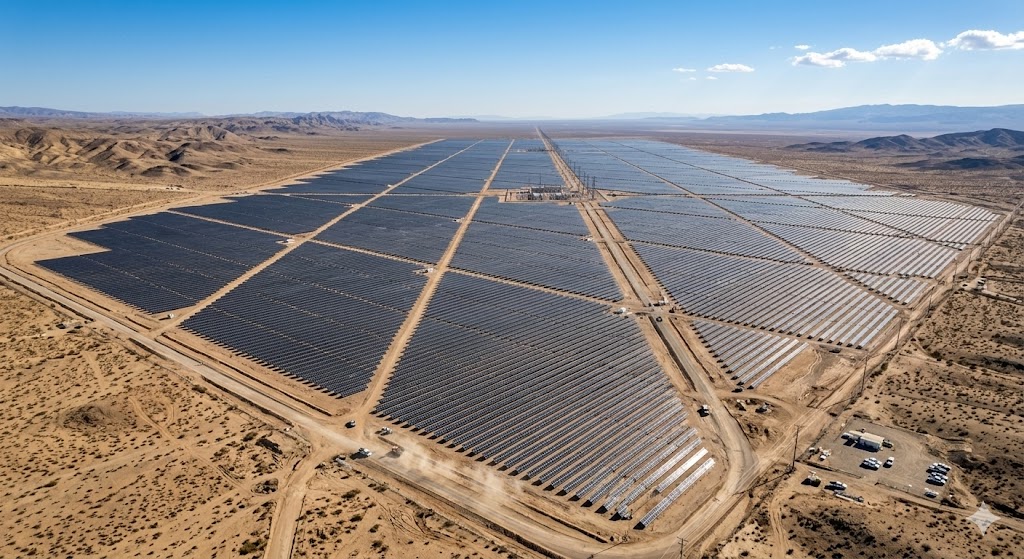 The Strait of Hormuz crisis is not a story about Chinese luck or American military failure. It is a case study in the tangible value of long-term, strategic energy planning versus the high cost of political volatility. China's ability to absorb this shock is the dividend paid on a 20-year investment in policy consistency, manufacturing scale, and economic electrification.
For global observers and policymakers, the key takeaway is that energy security is no longer synonymous with fossil fuel security. It is increasingly defined by electrification security—the capacity to power an economy with diverse, predominantly domestic, clean electricity sources. This reduces exposure to volatile commodity markets and geopolitical flashpoints.
The U.S. retains formidable advantages in innovation, capital markets, and technological entrepreneurship. However, as seen in sectors like solar manufacturing, innovation alone does not guarantee industrial leadership or resilience. Translating innovation into deployed, scalable infrastructure requires a stable policy environment that provides market certainty. Bridging this gap between invention and implementation is the central challenge for U.S. energy and climate strategy moving forward.
InfoLab Energy Insight: The contrast between these two models offers a critical lesson for all nations, including those in Latin America experiencing rapid EV growth as seen in our analysis of record-breaking electric vehicle sales in the region. Sustainable market growth—whether in EVs, renewables, or green hydrogen—thrives on predictability. The countries that can provide a clear, long-term regulatory and investment framework will be best positioned to attract capital, build resilient industries, and insulate their citizens from the next global energy shock. The transition is not just about cleaner energy, but about building more predictable and secure economies.
Sources & References:
"Latin America EV Market Hits Record High Over 110,000 Sales in Q4 2025 – Investment Implications"