The recent volatility in global LNG markets, heightened by geopolitical tensions around the Strait of Hormuz, has exposed the profound vulnerability of nations reliant on imported fossil fuels. Countries like Japan, South Korea, and Bangladesh face immediate pressure, scrambling for spot cargoes as prices spike and energy security becomes a daily crisis management exercise.
In stark contrast, Pakistan—a nation with a history of severe energy shortages and import dependency—has demonstrated unexpected resilience. The key to this shift isn't a new gas field or a mega-pipeline, but a silent revolution occurring on rooftops and industrial parks across the country: the explosive growth of distributed solar power.
This analysis delves into Pakistan's solar transformation, quantifying how a market-driven surge in photovoltaic (PV) installations is rewriting the rules of energy security for developing nations. It moves beyond simple capacity numbers to explore the tangible impact on fuel imports, grid dynamics, and national economic exposure to global commodity shocks.

Pakistan's Solar Capacity Expansion (2024-2025)
| Metric | 2024 | 2025 | 2-Year Total |
|---|---|---|---|
| New Solar Capacity Added | ~17 GW | ~15 GW | ~32 GW |
| Estimated Total Solar Capacity (EoY) | ~22 GW | ~37 GW | - |
| Estimated Annual Generation (20% CF) | ~30 TWh | ~26 TWh | ~56 TWh |
| % of Pakistan's ~150 TWh Annual Demand | ~20% | ~17% | ~37%* |
*Theoretical annual energy equivalent if solar operated at constant output.
Economic Drivers: Rooftop Solar vs. Grid Power in Pakistan
| Parameter | Typical Value in Pakistan | Notes / Source |
|---|---|---|
| Grid Electricity Cost (Commercial/Industrial) | $0.13 - $0.16 / kWh | Utility tariffs |
| Levelized Cost of Rooftop Solar (LCOE) | $0.03 - $0.05 / kWh | Based on $0.10-$0.12/W module cost, 25-year life |
| Potential Savings per kWh | $0.08 - $0.12 / kWh | Direct offset calculation |
| Payback Period for 1 MW System | 5-7 years | For a $700k-$1M installation |
| Global Solar Module Spot Price (2025) | $0.08 - $0.12 / W | IEA, industry reports |
| Pakistan's Tariff on Chinese Solar Panels | ~10% | Contrast with batteries |
| Pakistan's Tariff on Chinese Batteries | ~40% | Explains lower storage adoption |
The Grid Demand Destruction Effect
The most significant impact of Pakistan's solar boom is not just added generation, but the fundamental reshaping of the grid's daily load profile. Distributed solar, predominantly on commercial and industrial (C&I) rooftops, acts as a form of 'behind-the-meter' generation. When a factory powers its operations with its own solar panels, it withdraws less electricity from the national grid. This phenomenon is most pronounced during peak sunlight hours.
Quantifying the Gas Displacement: The analysis suggests a 4 GW reduction in midday grid demand due to distributed solar. Using standard efficiency metrics for combined-cycle gas turbines (CCGT), this translates to a reduction of approximately 70 million cubic feet of gas per hour. Over a 10-hour daytime period, that's 700 million cubic feet of gas saved daily. Over a year, this scales to a reduction in gas demand equivalent to multiple LNG cargoes, directly impacting import requirements and providing a cushion when shipments are disrupted.
From Long-Term Contracts to Deferred Cargoes
Pakistan's LNG import strategy was built on forecasts of steadily rising gas demand for power generation. Long-term contracts with suppliers like Qatar were anchored to this growth trajectory. However, the solar surge has disrupted these forecasts. Evidence, including reports from Reuters, indicates Pakistan began seeking to defer or reschedule LNG cargoes in 2024-2025 as daytime gas demand softened.
This highlights a critical dynamic in the energy transition: infrastructure and contracts based on fossil fuel demand growth can become stranded or burdensome faster than anticipated. The flexibility clauses in LNG contracts, once a minor detail, become a crucial financial tool for importers as renewable penetration increases.
The Ripple Effects: Storage, EVs, and a New Development Pathway
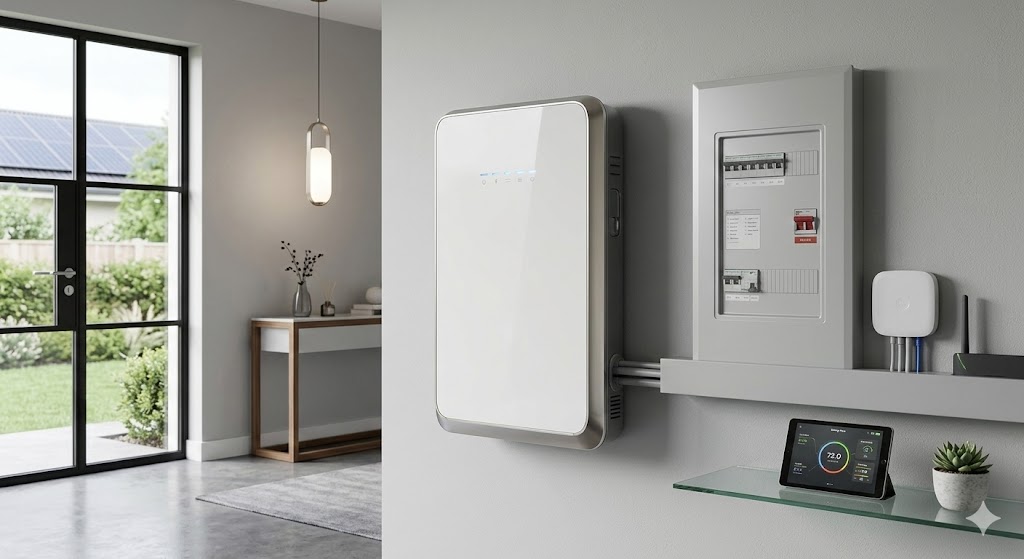
Solar expansion rarely occurs in isolation; it catalyzes adjacent technologies. While Pakistan's high tariffs on batteries have slowed storage adoption, the global trend is clear. Falling lithium iron phosphate (LFP) battery prices (below $100/kWh in China) make solar-plus-storage systems increasingly viable, allowing daytime solar to serve evening peaks and further erode gas demand.
Furthermore, cheap daytime solar electricity creates a foundation for transportation electrification. As seen in our analysis of Kenya's electric motorcycle market, two- and three-wheelers are often the first to electrify in emerging economies. A single rooftop solar array can fuel multiple electric motorcycles, displacing imported oil and creating a synergistic loop of domestic renewable energy powering local mobility.
This sequence—distributed solar, followed by storage and electric mobility—represents a departure from the traditional centralized fossil-fuel-based development model. It allows countries to leapfrog decades of infrastructure build-out, enhancing energy security and economic resilience from the bottom up.
 Pakistan's experience is not a isolated policy success story, but a powerful demonstration of market-driven energy resilience. Faced with high grid tariffs and unreliable supply, businesses and households made rational economic decisions to install solar. The aggregate effect of millions of these individual decisions has created a national-scale buffer against global fossil fuel volatility.
The key insight for global policymakers and energy analysts is that energy security in the 21st century is increasingly defined by diversification at the point of consumption, not just at the point of import. Distributed renewables decentralize risk. While Pakistan still faces challenges, particularly in evening peak demand and grid management, its daytime energy independence has grown substantially.
InfoLab Energy's Independent Analysis: Our calculations indicate that the ~32 GW of solar added in two years has the theoretical annual energy output (~56 TWh) equivalent to over 120 standard LNG cargoes (assuming ~3 TWh energy equivalent per cargo and 50% power plant efficiency). Even accounting for solar's intermittency, the displacement of daytime gas demand is substantial enough to alter import economics and provide strategic flexibility during crises.
This model is highly replicable. Across Africa, Southeast Asia, and Latin America, similar conditions exist: growing energy demand, high fossil fuel import costs, and falling prices for solar modules. As global solar manufacturing capacity continues to outstrip demand in developed markets, a wave of affordable hardware will flow into these regions. The lesson from Pakistan is clear: reducing tariffs and barriers to these technologies isn't just climate policy; it's a core national security and economic stability strategy. Embracing this decentralized transition is the most effective way to build economies that are less vulnerable to the next geopolitical or market shock.
Together with this article: To understand how efficiency innovations are reducing energy demand in homes, explore our analysis on the investment potential of ultra-efficient heat pump washer/dryers.
Sources & References:
"Kenyas Electric Motorcycle Market Hits 15.3% Share A Blueprint for African EV Disruption"