The Supreme Court's decision to limit presidential tariff authority has ironically injected new uncertainty into markets. The administration's immediate pledge to continue tariffs under other statutes creates substitution risk. For capital-intensive clean tech sectors—solar, battery storage, grid equipment—this translates directly into upward pressure on the weighted average cost of capital (WACC), moving beyond politics to hard project economics and internal rates of return (IRR).

The Transmission Mechanism: From Policy to Project IRR
- Tariff Volatility → Increased input cost uncertainty.
- Increased Procurement Friction → Higher contingency budgets, lower bid confidence.
- Higher Required Return → Increased Weighted Average Cost of Capital (WACC).
- Higher WACC → Increased Levelized Cost of Energy (LCOE).
- Higher LCOE → Marginal projects become unviable.
This cascade, while incremental at each step, compounds into a tangible headwind for industry growth.
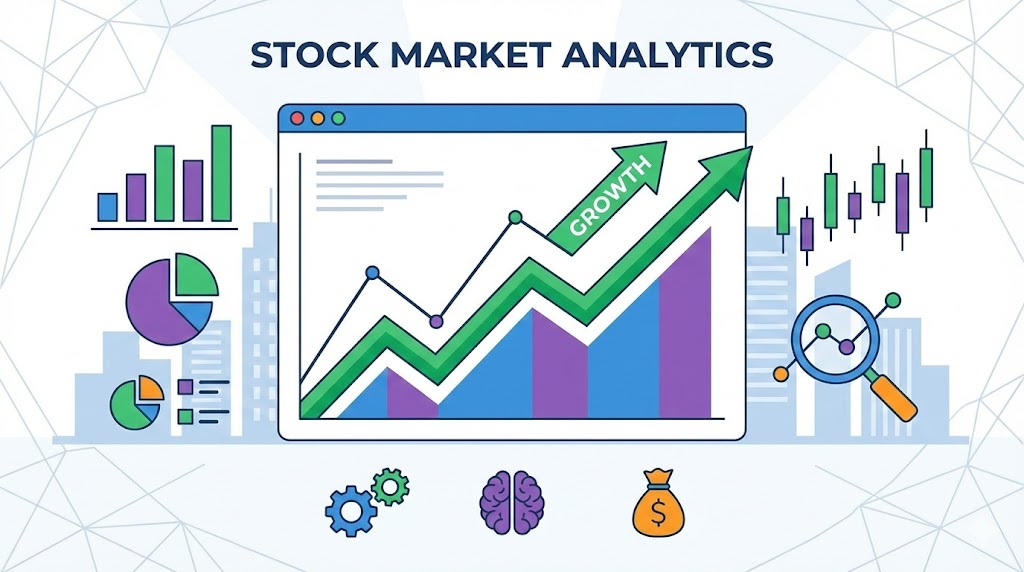
Impact Analysis: The Numbers Behind the Risk
| Project Type | Baseline Scale | Baseline WACC | Impact of +75~100bp WACC on LCOE/IRR | Key Risk Drivers |
|---|---|---|---|---|
| Utility-Scale Solar | 200MW, $300M | 6% | LCOE increases by ~$2-$4/MWh | Steel prices, inverter tariffs |
| Li-ion Battery Storage | 100MW/400MWh, $140M | 7-8% | IRR drops 150-200 basis points | Battery pack tariffs, component delays |
| Gigafactory (Domestic) | $3B scale | 8% | IRR drops ~150bp, NPV down hundreds of millions | Equipment/raw material tariffs, classification uncertainty |
Transformer shortages act as a risk multiplier. Tariff volatility on lithium, copper, and steel adds friction to existing supply chain bottlenecks. Source and detailed analysis can be found in the original CleanTechnica article.
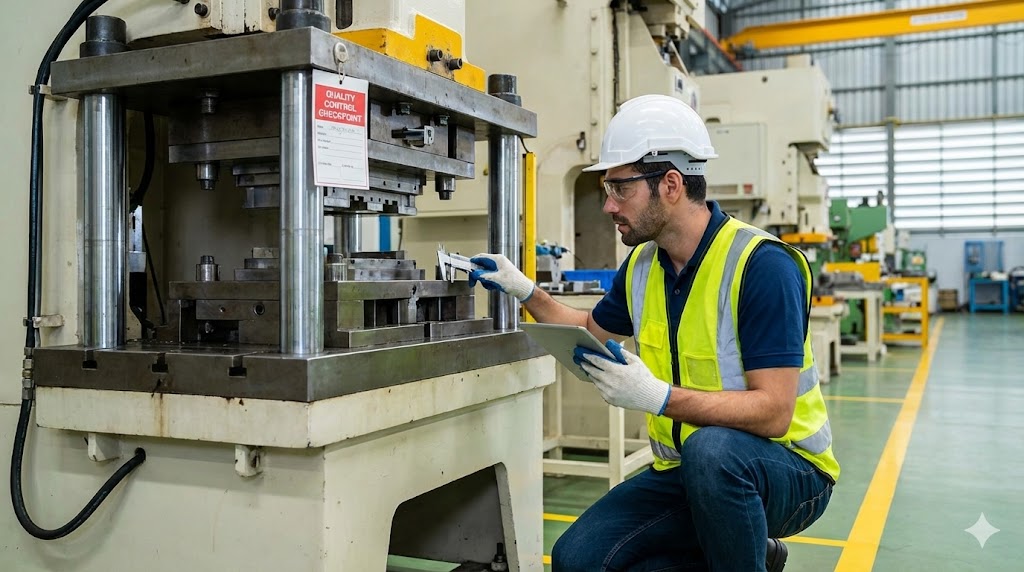
Conclusion: Investment Implications and Risk Assessment
The Risk: This uncertainty won't halt all clean tech investment but will first filter out marginal-return projects. Merchant storage without long-term contracts and manufacturing heavily reliant on imported inputs are most exposed.
Corporate Watchlist Considerations:
- Solar/Wind Developers (e.g., NEE, BEP): Partially hedged by long-term PPAs, but new project development pace could slow.
- Battery/Storage Firms (e.g., QS, FLNC): Pricing power to pass through cost increases is critical.
- Grid Equipment Makers (e.g., SIEGY, ETN): Demand remains strong, but raw material price volatility may compress margins.
While stable industrial policy can support reshoring, volatile tariff substitution risk increases financing costs for domestic production. Investors should scrutinize individual companies' supply chain resilience and cost-control capabilities in this new environment.