The electric vehicle (EV) industry has long been driven by bold promises of next-generation battery technology. Solid-state batteries, in particular, have been hailed as the 'holy grail' — offering higher energy density, faster charging, and improved safety over conventional lithium-ion cells. Finland's Donut Lab captured global attention earlier this year when it claimed to have developed a working solid-state battery powering a production electric motorcycle.
However, a recent criminal complaint filed by Lauri Peltola has cast a dark cloud over those claims. According to reports from Tech Times and Helsingen Sanomat, Peltola alleges that Donut Lab may have exaggerated key metrics, including energy density and battery lifespan. The complaint also questions whether the company has the necessary infrastructure to scale production, suggesting that the technology may not be as close to mass-market deployment as previously stated.
This controversy raises critical questions for the entire EV supply chain. If these allegations are substantiated, they could erode investor confidence in not just Donut Lab, but in the broader ecosystem of battery startups. For an industry where credibility and transparency are paramount, this case serves as a stark reminder that technological breakthroughs must be backed by verifiable data and independent validation.
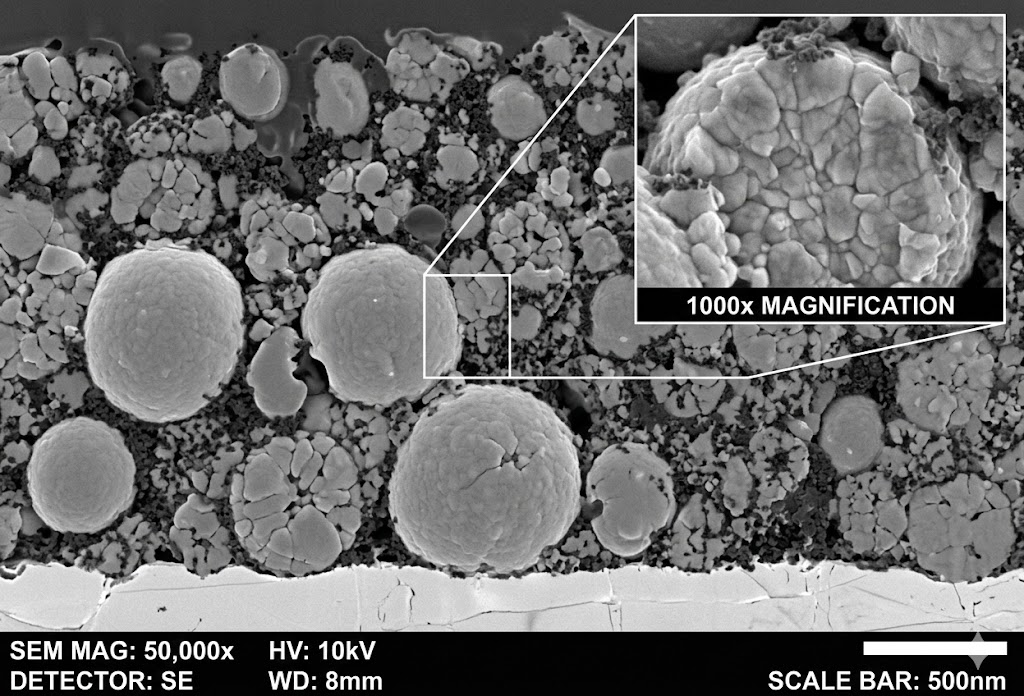
Key Data Points: Donut Lab's Claims vs. Whistleblower Allegations
| Metric | Donut Lab Public Claim | Whistleblower Allegation | Source of Concern |
|---|---|---|---|
| Energy Density | High density (specific value not independently verified) | May have been exaggerated | Helsingen Sanomat report |
| Battery Lifespan | Long cycle life for EV application | Potentially overstated | Internal communications |
| Production Readiness | Technology ready for mass production (Jan 2025) | Based on outdated first-gen CT-Coating cell | Emails between Donut Lab, CT-Coating, Nordic Nano |
| Scaling Infrastructure | Adequate for mass-market deployment | Insufficient infrastructure for scale | Peltola's criminal complaint |
Timeline of Events
| Date | Event | Source |
|---|---|---|
| Oct 2024 | Donut Lab & Nordic Nano announce strategic investment | Nordic Nano press release |
| Jan 2025 | Donut Lab claims solid-state battery is production-ready | CleanTechnica coverage |
| Q1 2025 | VTT (Finnish national lab) tests Donut Lab battery | CleanTechnica coverage |
| Apr 2026 | Lauri Peltola files criminal complaint | Tech Times, Helsingen Sanomat |
| Apr 2026 | CT-Coating confirms first-gen cell abandoned; development shifted | Internal emails viewed by Helsingen Sanomat |
Comparison: Battery Startup Funding & Due Diligence
| Company | Technology Claim | Status | Key Risk Factor |
|---|---|---|---|
| Donut Lab | Solid-state battery | Under criminal investigation | Alleged misrepresentation of tech maturity |
| QuantumScape | Solid-state battery | Public company, ongoing R&D | Scaling challenges, production delays |
| Solid Power | Solid-state battery | Partnering with BMW, Ford | Lower energy density vs. targets |
| Toyota | Solid-state battery | In development, 2027 target | Multiple delays, conservative timeline |
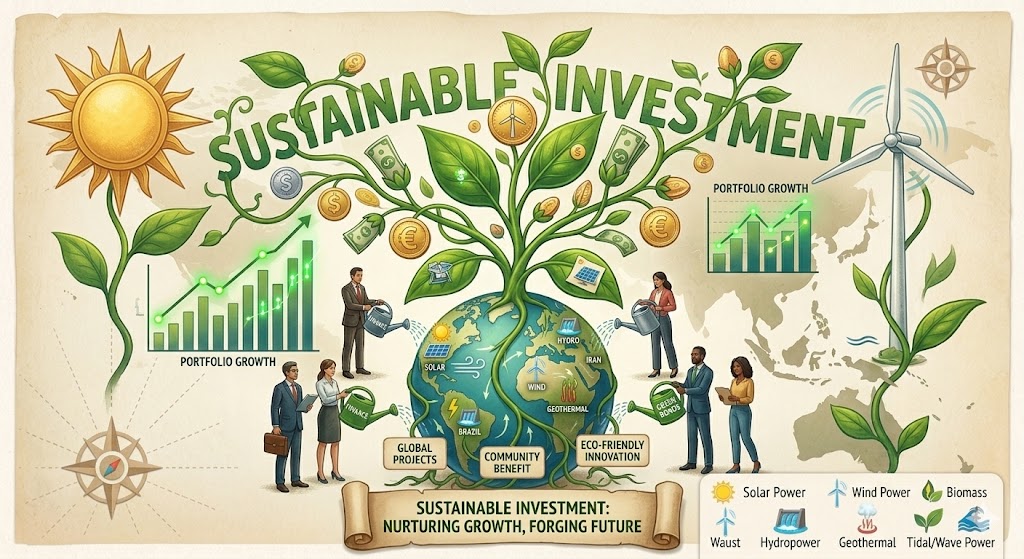
The Anatomy of the Allegations
The core of the controversy revolves around the technology's provenance. According to the criminal complaint and subsequent reporting by Helsingen Sanomat, the battery model showcased by Donut Lab in demonstrations was reportedly based on an earlier version developed by CT-Coating. Internal communications suggest that CT-Coating had already abandoned development of that particular cell in favor of a newer, less mature design. This raises a serious question: was Donut Lab presenting outdated technology as a production-ready breakthrough?
Further complicating the narrative is the relationship between Donut Lab and Nordic Nano. Lauri Peltola, the whistleblower, claims to be the chief commercial officer at Nordic Nano — a company that has publicly stated its strategic partnership with Donut Lab. Nordic Nano's CEO, Esa Parjanen, has denied Peltola's accusations, stating that his views are not shared by the company. However, the fact that a senior executive at a partner company has filed a criminal complaint suggests deep internal divisions.
Industry-Wide Implications for Battery Due Diligence
This case underscores the critical importance of independent validation in the battery technology sector. The involvement of VTT, Finland's national research laboratory, adds a layer of complexity. While VTT's test results were initially cited as evidence of the battery's viability, the whistleblower's allegations suggest that the tested cell may not represent the company's current or future production intent.
For investors and industry analysts, this situation highlights several red flags:
- Lack of transparency: If internal communications contradict public statements, the company's credibility is fundamentally compromised.
- Over-reliance on partner technology: Basing a flagship product on a partner's abandoned design is a significant strategic risk.
- Executive alignment: The whistleblower's position at a key partner company suggests that the issues may extend beyond Donut Lab alone.
The Role of Media and Public Perception
CleanTechnica's coverage of Donut Lab has been mixed, with some writers championing the company and others expressing skepticism. This divergence reflects a broader challenge in the cleantech media landscape: how to balance enthusiasm for innovation with rigorous journalistic skepticism. The filing of a criminal complaint moves the discussion from social media speculation into the legal arena, which carries far more serious consequences for all parties involved.
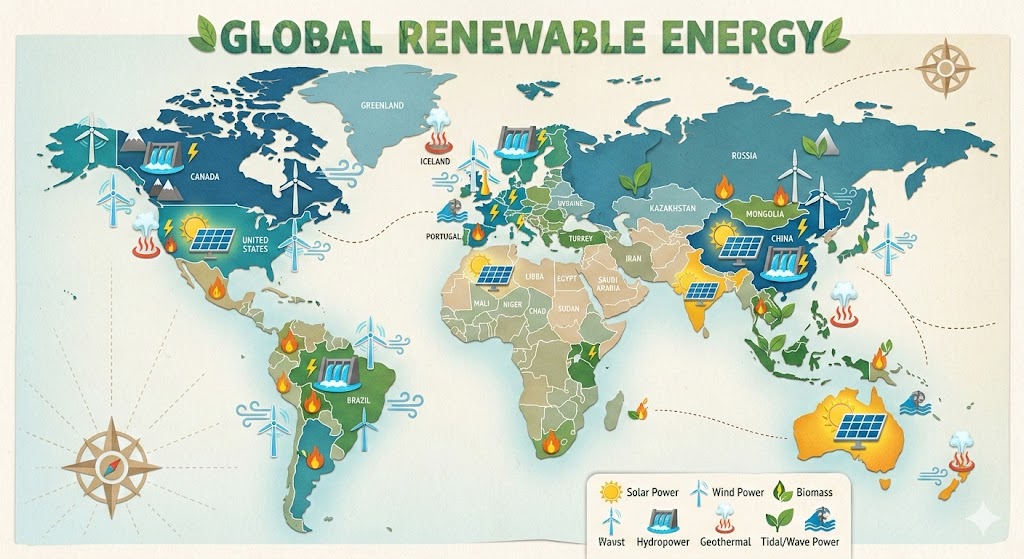
Conclusion: Trust is the New Battery Metal
The Donut Lab controversy is more than a single company's PR crisis — it is a cautionary tale for the entire EV battery ecosystem. As the world races to secure the next generation of energy storage technology, the temptation to overstate progress is immense. However, as this case demonstrates, credibility and transparency are becoming just as critical as performance metrics.
For the EV industry, the implications are clear. Investors and partners must demand independent, third-party validation of breakthrough claims. The days of accepting press releases at face value are over. This is particularly relevant for emerging battery startups in Europe, where the competition for funding is intense and the pressure to deliver results is high.
InfoLab Energy Analysis
This case also connects to broader trends in the global EV market. While the Donut Lab story unfolds in Finland, the Latin American EV market is hitting record highs, with over 110,000 sales in Q4 2025. This contrast highlights the gap between technological promise and market reality. For a deeper dive into the Latin American market dynamics, check out our analysis: Latin America EV Sales Q4 2025 Market Analysis.
Additionally, the funding challenges facing European clean tech are palpable. The difficulty in securing green finance is not limited to battery startups. As we explored in our report on European Truckmakers Locked Out of Green Finance, the $150 billion EV transition is stalling due to financing gaps that affect the entire supply chain.
Ultimately, the Donut Lab case serves as a powerful reminder: in the race to decarbonize transportation, trust is the most valuable — and most fragile — asset of all.
Sources & References:
"Latin America EV Market Hits Record High Over 110,000 Sales in Q4 2025 – Investment Implications"