The global electric vehicle (EV) market is experiencing a period of recalibration in early 2026. While growth continues, several major automakers, including Tesla, have reported difficulties in meeting ambitious sales targets, leading to a narrative of slowing demand. Against this backdrop, the news from Volvo Cars stands out as a significant counterpoint.
The Swedish automaker has revealed that customer orders for its newly unveiled EX60 premium electric SUV have significantly exceeded internal forecasts in the first month of availability, primarily in its home market of Sweden and key European countries like Germany. In response, Volvo is reviewing plans to increase production volumes at its Torslanda plant in Sweden, even considering an unprecedented extra week of operation during the summer shutdown.
This development is more than just a successful model launch; it serves as a critical market signal. It demonstrates that well-executed products in specific segments can still generate exceptional demand, even when the broader market sentiment is cautious. The EX60's success in the premium SUV segment, as opposed to the more price-sensitive mass market, offers valuable insights into evolving consumer preferences.
EX60 Early Order Performance & Comparative Context
| Metric | Volvo EX60 (Post-Launch) | Volvo EX30 (Post-Launch Reference) | Notes |
|---|---|---|---|
| Market Response | "Considerably higher" than internal forecasts | Met or slightly exceeded expectations | Per Volvo Cars official statement |
| Orders in Sweden | Over 3,000 units | Data not publicly specified | Boosted by inclusive 'Care' offer |
| Price Segment | Premium Midsize/Large SUV | Small/Budget Crossover | EX60 commands a higher price point |
| Production Response | Planning production increase (Torslanda) | Gradual ramp-up | Considering first-ever summer shutdown override |
European EV Market Dynamics: Early 2026 Snapshot
| Market Factor | General Trend (Multiple OEMs) | Volvo EX60 Case | Implication |
|---|---|---|---|
| Demand Driver | Subsidy cuts, infrastructure concerns, muted expectations | Strong pre-order demand emerges | Product strength & brand trust can override macro headwinds |
| Production Strategy | Target adjustments, some line slowdowns | Demand-led production expansion review | Agile supply chain response as a competitive edge |
| Marketing Focus | Price cuts, discount promotions | 'Care' package emphasizing simplicity & transparency | Elevating the ownership experience value proposition |
| US Market Influence | Demand soft for some models | Orders not yet open (Europe-only launch) | European success a positive signal for global rollout |
Decoding the EX60's Success: Product and Package Synergy
The strong initial uptake of the EX60 likely stems from a confluence of factors. First, Volvo's longstanding brand equity in safety and quality is translating effectively into the electric era. Second, and perhaps more crucially, the launch was accompanied by a compelling 'Care' package. This offer, which includes three years of free home charging, directly addresses a primary consumer pain point in the premium EV segment: the uncertainty of total cost of ownership (TCO). By bundling charging and simplifying ownership, Volvo has reduced the perceived complexity and long-term cost risk, making the high initial purchase price more palatable.
A Structural Shift in Europe: The Premium Segment's Resilience
This event signals a potential maturation of the European EV market, moving from a volume-driven 'mass adoption' phase to a 'differentiation' phase. The initial wave was led by affordable models like the Tesla Model 3/Y, Volvo EX30, and Renault Mégane E-Tech. As subsidies wane and early adopter demand is met, consumers are increasingly seeking differentiated products. The EX60's performance indicates a substantial cohort of buyers who value sufficient range, leading safety technology, and distinct Scandinavian design—and who may be less sensitive to price premiums. This is an encouraging signal for other premium automakers like BMW, Mercedes-Benz, and Audi in their electric transitions.
The Implications and Challenges of Production Expansion
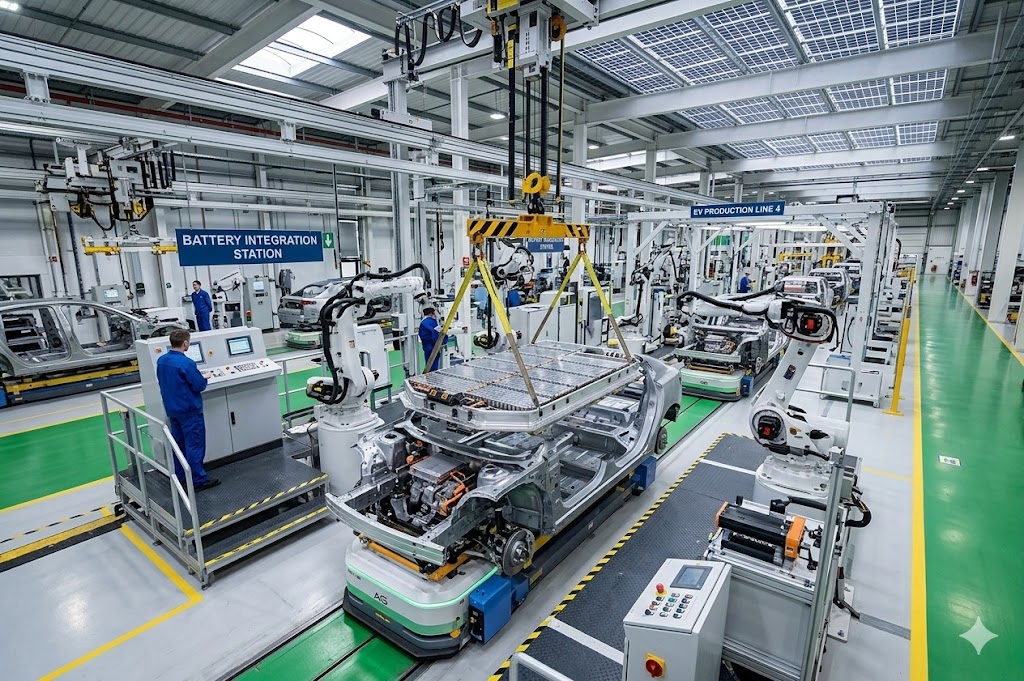
Volvo's consideration of a production increase, particularly the historically significant move to keep the Torslanda plant open an extra week in summer, demonstrates agility. However, it also presents challenges. Altering production schedules in Europe requires careful dialogue with labor unions, given the region's strong worker protection laws. Successfully navigating this would set a precedent for how traditional automotive manufacturing can adapt to the faster pace of the EV market. Volvo's emphasis on a "steady and prudent ramp-up" underscores its strategic priority on maintaining quality and sustainable supply chain management over chasing volume at all costs.
 The unexpectedly strong demand for the Volvo EX60 serves as a vital market signal in early 2026, injecting optimism into an EV sector facing headwinds. It reaffirms a fundamental principle: the market still rewards the 'right product.' By combining solid product credentials, trusted brand value, and a service package that alleviates ownership anxieties, differentiation beyond pure price competition is achievable.
For the global EV industry, the EX60 case study highlights the growing importance of segment-specific strategies. The market is fragmenting, and success will depend on deeply understanding and serving distinct customer niches. The premium segment, in particular, appears resilient when the value proposition extends beyond the vehicle itself to encompass the entire ownership experience.
Looking ahead, key questions remain. Can Volvo replicate this success in the US and other markets when the EX60 launches globally? How will this demand translate into profitability for Volvo's electric vehicle business? This episode suggests that the EV market's next phase will be characterized not by uniform growth, but by strategic battles won in specific segments through superior product-market fit and customer-centric innovation. The race is no longer just about electrification; it's about desirable electrification.
Sources & References:
Strong Demand for Volvo EX60 Leads to Volvo Cars Expanding Production